Why Do Pipes Freeze in Longmont CO? Causes Prevention and What to Do
Learn about the causes of frozen pipes in Longmont CO, prevention methods, and effective solutions for thawing them.
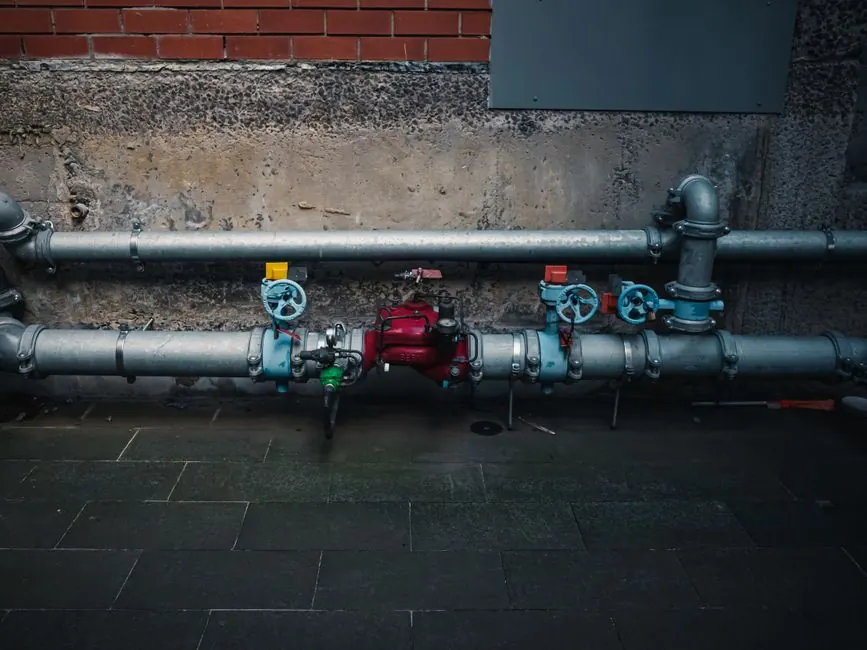
Pipes freeze in Longmont, CO primarily due to low temperatures that drop below 20°F. This freezing can lead to significant damage and costly repairs if not addressed promptly. In this article, we will explore the causes of frozen pipes, effective prevention methods, and what steps you should take if your pipes do freeze.
Frozen Pipes Longmont CO is a serious issue that can disrupt your home's water supply and lead to expensive plumbing repairs. Understanding why pipes freeze in Longmont and how to prevent it is crucial for homeowners, especially during the colder months.
What Causes Pipes to Freeze in Longmont?
Pipes freeze in Longmont primarily due to prolonged exposure to cold temperatures. When the temperature drops, the water inside the pipes can freeze, leading to blockages and potential bursts. Here are some specific causes:
- Low Outdoor Temperatures: Longmont experiences winter temperatures that frequently dip below freezing. This can cause uninsulated pipes, especially those in unheated areas, to freeze.
- Improper Insulation: Pipes located in attics, basements, or exterior walls are at higher risk if they are not properly insulated.
- Drafts: Cold air seeping into homes through cracks and openings can lower the temperature around pipes, increasing the likelihood of freezing.
- Water Flow: Stagnant water is more prone to freezing. If pipes are not used for an extended period, the water can freeze inside them.
Understanding these causes of frozen pipes in Longmont CO can help you take proactive measures to protect your plumbing system.
How to Prevent Pipes from Freezing in Longmont CO
Preventing frozen pipes in Longmont requires a combination of insulation, temperature management, and routine maintenance. Here are effective strategies:
- Insulate Pipes: Use pipe insulation sleeves or foam to cover pipes in unheated areas. This can significantly reduce heat loss.
- Seal Cracks and Openings: Inspect your home for drafts and seal any cracks around windows, doors, and sill plates to keep cold air out.
- Keep the Heat On: Maintain a consistent temperature in your home, especially during cold snaps. If you leave for an extended period, keep the thermostat set to at least 55°F.
- Let Faucets Drip: Allowing a small trickle of water to flow through faucets can prevent pipes from freezing, as moving water is less likely to freeze.
Implementing these preventing frozen pipes Longmont CO strategies can save you from costly repairs and ensure your plumbing system functions smoothly throughout the winter months.
What to Do if My Pipes Freeze in Longmont?
If you discover that your pipes have frozen, acting quickly is essential to prevent them from bursting. Here are the steps to take:
- Locate the Frozen Pipe: Identify which pipe is frozen by checking for frost or bulging sections.
- Turn Off the Water Supply: Immediately shut off the main water supply to prevent flooding if the pipe bursts.
- Thaw the Pipe: Apply heat to the frozen section using a hair dryer, heat lamp, or space heater. Avoid using open flames, as this can damage the pipe.
- Open Faucets: As the pipe thaws, open the faucet to allow water to flow and relieve pressure.
For more complicated cases, it may be necessary to consult a professional. Knowing how to handle frozen pipes in Longmont can help you minimize damage and restore your water supply quickly.
Common Mistakes to Avoid
When dealing with frozen pipes, it's easy to make mistakes that can exacerbate the problem. Here are some common pitfalls to avoid:
- Using Open Flames: Never use a blowtorch or any open flame to thaw pipes, as this can cause severe damage.
- Ignoring Signs: Don't ignore signs of freezing, such as discolored water or unusual noises in the pipes.
- Thawing Too Quickly: Thawing pipes too quickly can lead to ruptures. Gradual heating is safer.
When to Call a Professional
If you experience a frozen pipe that you cannot thaw or if you suspect a burst pipe, it's time to call a professional plumber. Peak Plumbing Pros offers expert services to handle emergencies and can help you with any plumbing issues. Our team is trained to manage frozen pipes effectively, ensuring your home remains safe and functional.
Frequently Asked Questions
What causes pipes to freeze in Longmont?
Pipes freeze in Longmont mainly due to low temperatures, inadequate insulation, and drafts that lower the temperature around the pipes.
How can I prevent my pipes from freezing in Longmont CO?
Preventing frozen pipes involves insulating vulnerable pipes, sealing drafts, and maintaining a consistent indoor temperature during cold weather.
What should I do if my pipes freeze in Longmont?
If your pipes freeze, turn off the water supply, locate the frozen section, and thaw it using heat sources like a hair dryer.
By understanding the risks and taking proactive steps, you can protect your plumbing system from freezing temperatures.
Get help with Plumber in Longmont
If you're facing plumbing issues related to frozen pipes, don't hesitate to reach out. Call us at (773) 461-1487 for prompt and reliable service.