What Happens During a Professional Plumbing Inspection in Longmont CO
Learn what to expect during a plumbing inspection in Longmont, CO, including key steps and benefits of the process.
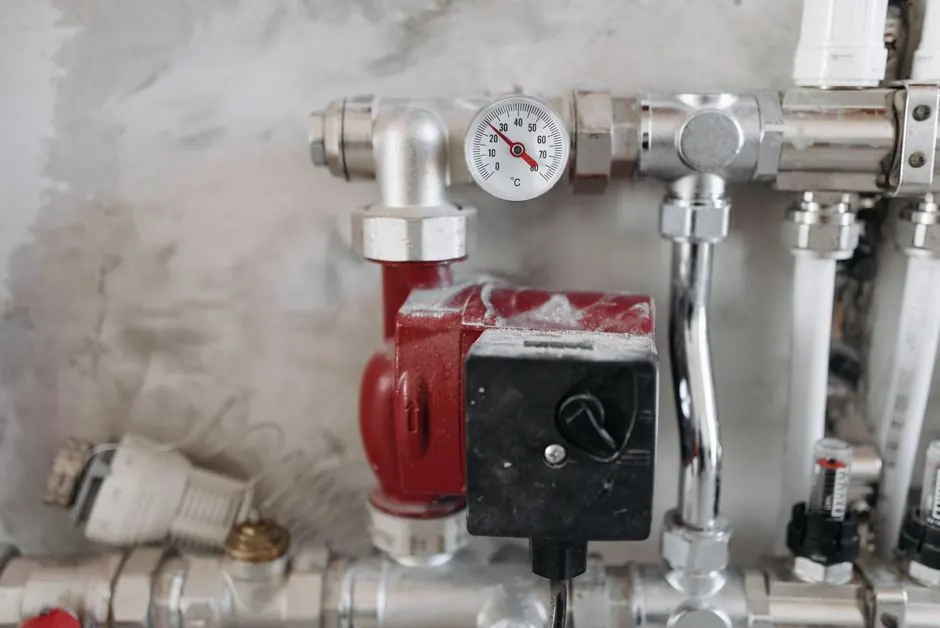
A professional plumbing inspection in Longmont, CO, involves a thorough evaluation of your plumbing system to identify potential issues and ensure everything is functioning properly. During this inspection, plumbers assess various components, including pipes, fixtures, and drainage systems, to prevent costly repairs down the line.
This article will cover what to expect during a plumbing inspection, its importance, how to prepare, and common mistakes homeowners make.
What is a Plumbing Inspection?
A plumbing inspection Longmont CO is a detailed examination of the plumbing system in your home, aimed at identifying any existing or potential problems. Inspections are crucial for maintaining the integrity of your plumbing and ensuring compliance with local codes.
What to Expect During a Plumbing Inspection in Longmont
During a plumbing inspection in Longmont, you can expect the plumber to perform several key tasks. First, they will check all visible pipes for leaks, corrosion, and signs of wear. This includes examining both supply lines and drainage systems.
Next, the plumber will inspect your fixtures, such as faucets and toilets, to ensure they are functioning correctly. They will also check for proper drainage and any signs of blockages. If applicable, they may review your water heater and assess its efficiency and safety features.
Additionally, the plumber will often conduct a pressure test to check for leaks in your system. This may involve closing off the water supply and monitoring the pressure levels over a period of time. If any issues are found, they can provide recommendations for repairs or maintenance.
Importance of Plumbing Inspections in Longmont
The importance of plumbing inspections in Longmont cannot be overstated. Regular inspections help identify issues before they escalate into major problems, saving you time and money. For instance, small leaks can lead to significant water damage if left unchecked.
Moreover, plumbing inspections can enhance the efficiency of your plumbing system. A well-maintained system can reduce water bills and improve overall functionality. In Longmont, where older homes are common, inspections can also ensure that your plumbing complies with current building codes.
How to Prepare for a Plumbing Inspection in Longmont CO
Preparing for a plumbing inspection in Longmont CO involves a few simple steps. First, ensure that all areas with plumbing access are clear. This includes under sinks, around toilets, and any crawl spaces.
Next, gather any relevant documents, such as previous inspection reports or plumbing plans, which can provide valuable information to the inspector. It's also helpful to note any specific concerns you have about your plumbing system, as this can guide the inspection process.
Common Mistakes to Avoid During Plumbing Inspections
Homeowners often make several common mistakes during plumbing inspections that can hinder the process. One mistake is failing to prepare the inspection area, which can limit the plumber's ability to perform a thorough examination.
Another mistake is neglecting to communicate specific issues you've noticed, such as unusual noises or slow drains. This information is crucial for the plumber to focus on potential problem areas. Lastly, some homeowners assume that all plumbing issues are visible; hidden problems, such as those in walls or under floors, may require specialized tools or techniques to detect.
When to Call a Professional
Knowing when to call a professional is essential for maintaining your plumbing system. If you notice frequent clogs, low water pressure, or unexplained increases in your water bill, it's time to schedule an inspection. Regular inspections can help catch problems early, especially in older homes in Longmont.
At Peak Plumbing Pros, we offer comprehensive plumbing inspections tailored to your needs. Our experienced team understands the unique plumbing challenges faced by Longmont residents.
Frequently Asked Questions
What is included in a plumbing inspection in Longmont? A plumbing inspection typically includes checking for leaks, assessing fixtures, inspecting drainage systems, and conducting pressure tests to evaluate the overall health of your plumbing system.
How often should I have a plumbing inspection in Longmont CO? It is recommended to have a plumbing inspection at least once every two years. However, older homes may benefit from annual inspections to catch potential issues early.
What should I do if issues are found during a plumbing inspection in Longmont? If issues are discovered during a plumbing inspection, consult with your plumber for recommendations on repairs. They can provide estimates and prioritize tasks based on urgency.